WHAT'S UP Blog

On our WHAT'S UP blog you will find exciting articles on new products, our trend research, new work concepts and helpful tips on all aspects of work and office furniture. You can also discover exclusive news and updates about Sedus.
Filter
Wellbeing 12/08/2026

Planning for neurodiversity in the office: Why a ‘one-size-fits-all’ approach doesn’t work

Neurodiversity is changing what people need from the office: What helps some people to concentrate can be a source of stress for others. Tetra Pak, in collaboration with tp bennett, is demonstrating how working environments can become more inclusive through varying levels of stimulation, different types of spaces and greater choice. The aim: an office that is not geared towards the ‘average person’, but one that accommodates different ways of working.
Person sitting on an office chair with visible lumbar support and armrest, hand resting on the armrest
Wellbeing 20/05/2026

Understanding lordosis: Why proper lumbar support is crucial for healthy sitting

Many people spend several hours a day sitting down – often with consequences for their back, neck and shoulders. Back pain is one of the most common complaints in everyday office life. A crucial factor for ergonomic sitting is often underestimated: the natural lordosis of the spine. Anyone who understands how lordosis works and how to adjust the lumbar support on an office chair can specifically prevent discomfort and work more healthily in the long term.
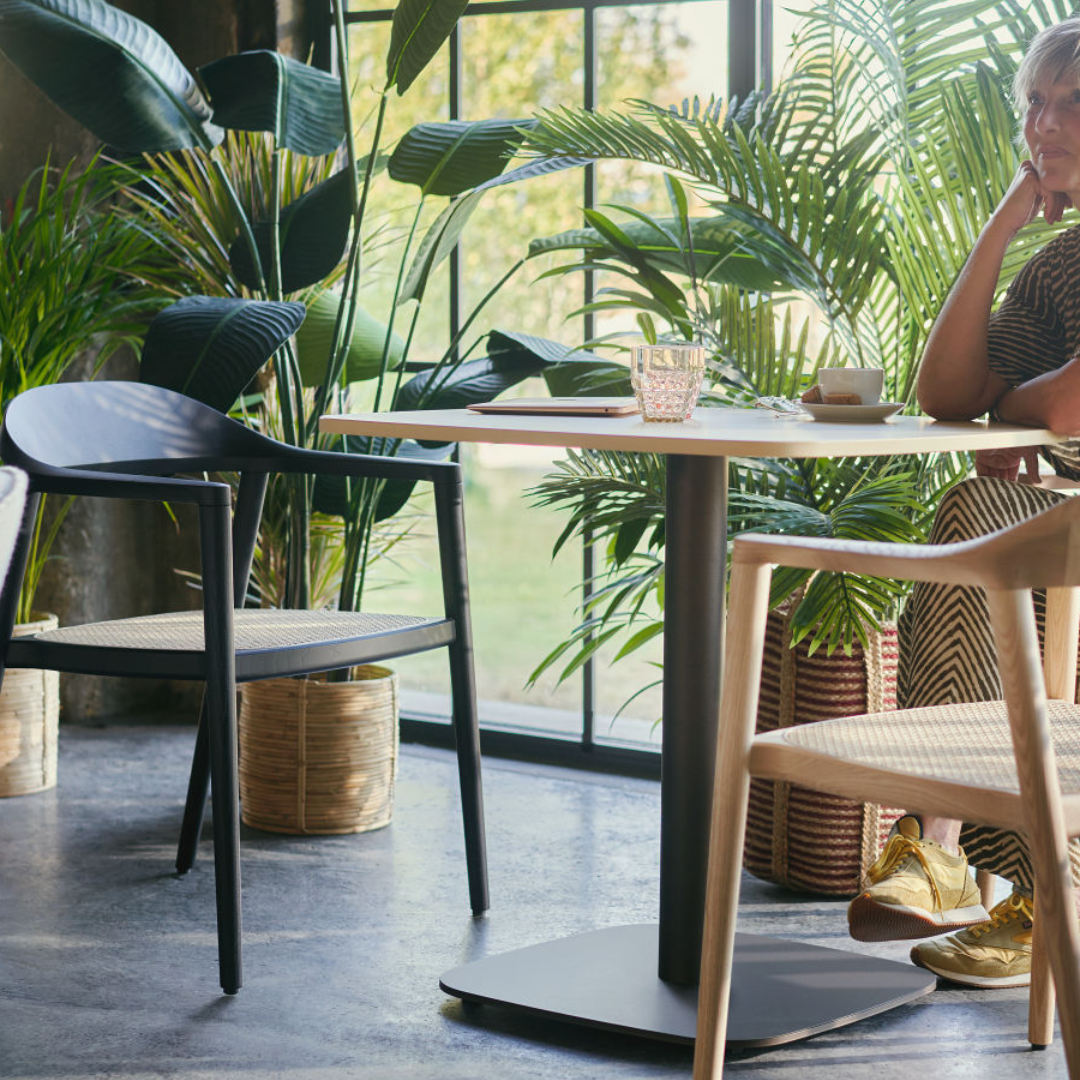
A woman is sitting in the biophilic office area
Wellbeing 04/05/2026

The Peripersonal Space in the Office: Why Focus Begins with Us

In a world constantly competing for our attention, focus has become one of our scarcest resources. Notifications, conversations, visual stimuli - everything demands our awareness at the same time. And this is precisely where a new perspective on workplace design begins: not with the space, but with the human being.

More specifically: with the peripersonal space.
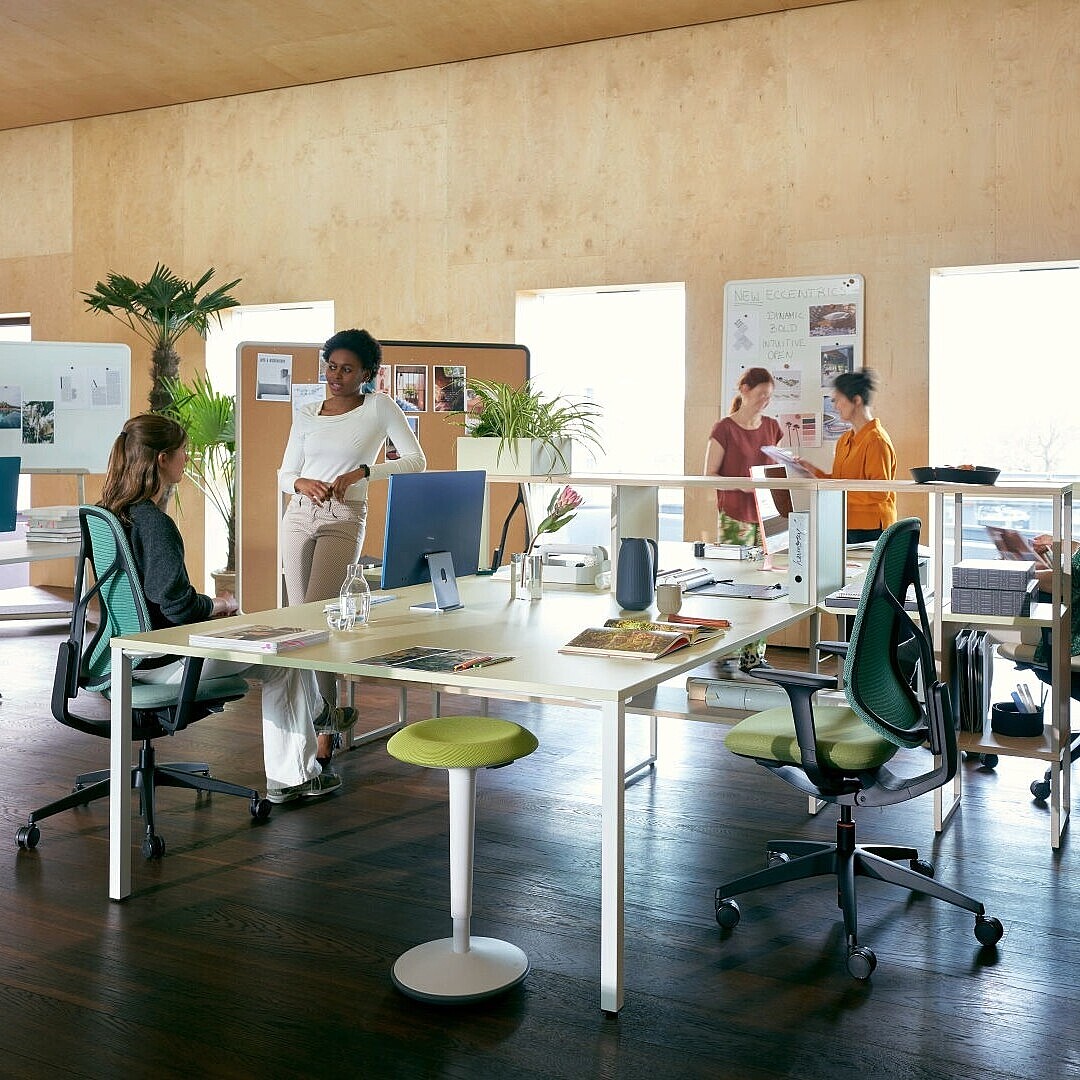
Open-plan office with people working at desks and standing, featuring ergonomic chairs, stools, and plants
Wellbeing 20/04/2026

More movement in the workplace: Why active breaks and dynamic sitting are so important in the office

For many people, sitting for long periods is part of their daily working routine – yet this is precisely what can lead to health problems and reduced performance in the long run. More movement in the workplace is therefore not a trend, but a necessity. Dynamic sitting and targeted active breaks in the office can not only reduce discomfort, but also boost concentration and productivity.
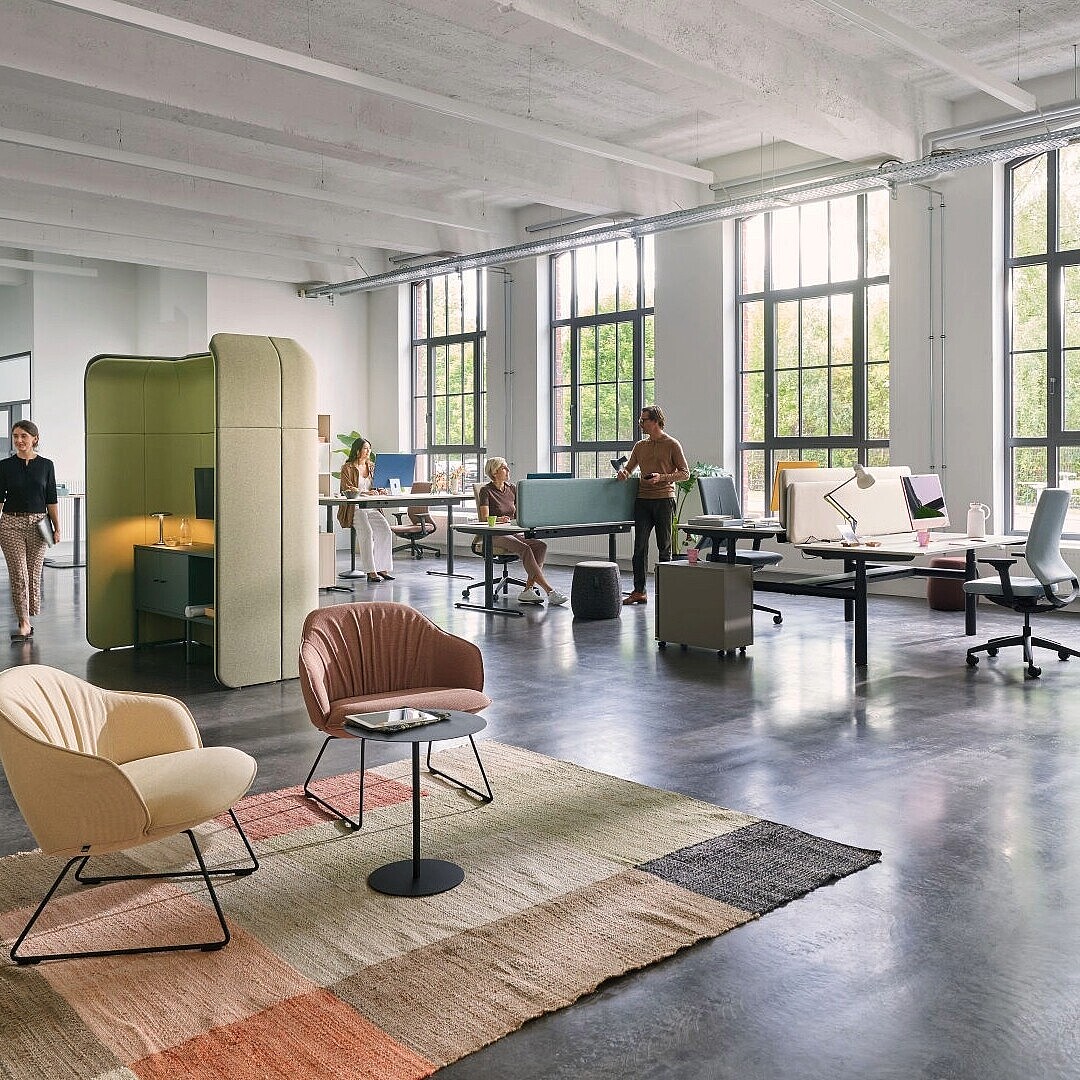
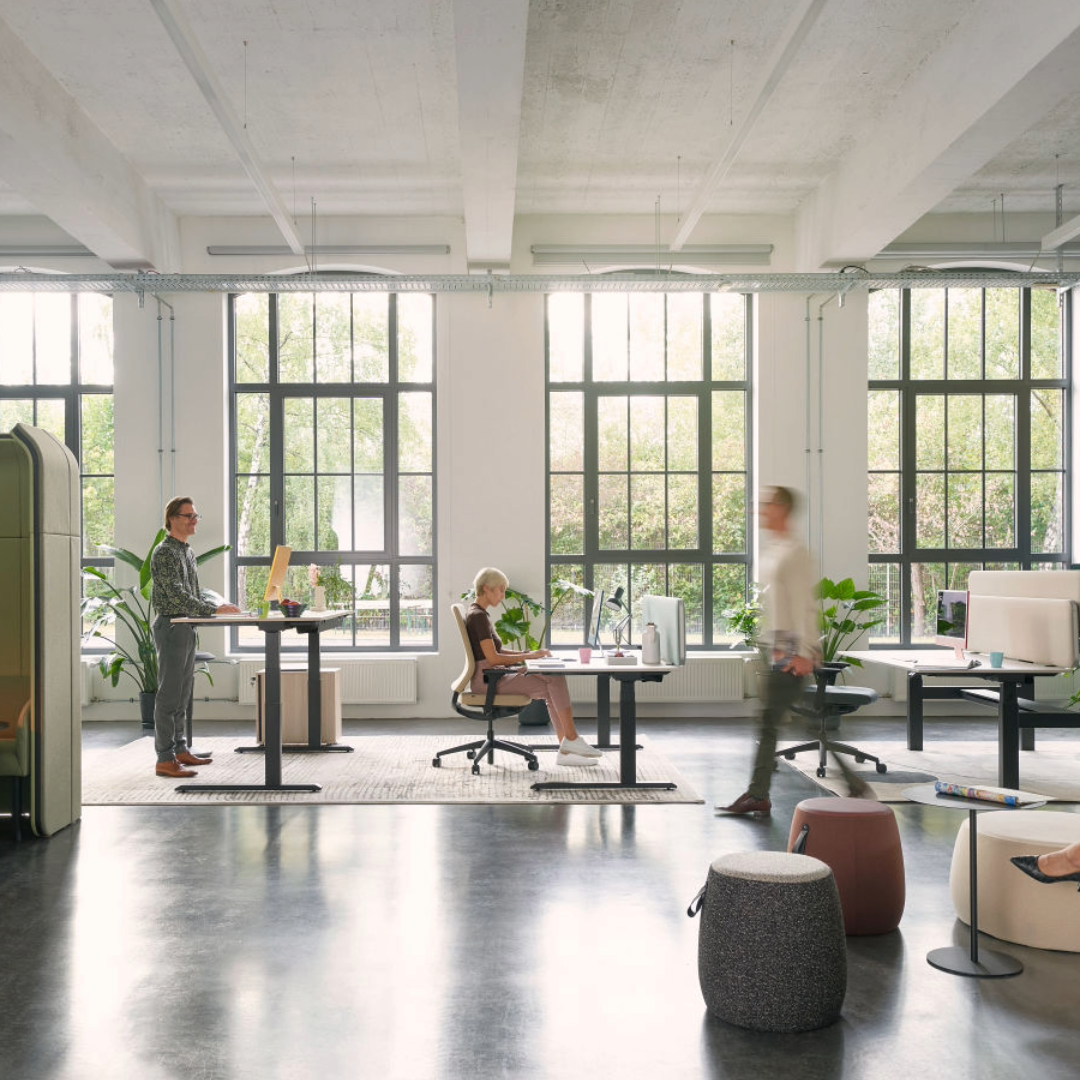
Open-plan office with large windows, multiple desks, and sound-absorbing booths where people are working or sitting
Wellbeing 06/04/2026

Reducing noise in the office: How to improve room acoustics with effective noise control

It’s hard to concentrate when phone calls, conversations and the constant tapping of keyboards dominate the working day. Reducing noise in the office not only creates a quieter environment, but also boosts productivity, well-being and overall employee satisfaction. But how can you achieve effective acoustic control in the workplace – and which measures genuinely make a difference to improve room acoustics?
se:hive in green
Wellbeing 25/03/2026

Sit Generously, Focus Better: Comfort as a Driver of Productivity

Contemporary workplaces are defined by openness, interaction and fluid collaboration. Yet wherever communication thrives, so too does the need for retreat, concentration and mental clarity. Productivity today no longer resides solely at the traditional desk. It emerges from a thoughtful interplay between focused work, informal exchange and restorative pauses.

This is precisely where se:hive comes into its own: a modular retreat that unites spatial generosity, comfort and acoustic performance in one coherent design concept.
two women sitting in se:hive
Wellbeing 23/03/2026

Pathways, Transitions, Freedom of Choice

Hybrid work models have redefined the office. For years, openness, interaction and collaboration dominated spatial design. Yet alongside this evolution, another equally decisive dimension has moved into focus: the ability to concentrate. The latest edition of Sedus INSIGHTS No. 20/2025 “Focus in the Office” makes it clear that attention is not a given resource — it is fragile, cyclical and profoundly shaped by its environment . Anyone designing workplaces today is, inevitably, designing attention. And this is precisely where neuroinclusion begins.
Sedus Office Setting
Wellbeing 04/03/2026

More Atmosphere, Less Space – How Dr. Stefan Rief Envisions the Future of Work

What will the workplace of tomorrow look like – and what kind of space will it require? This question concerns not only us at Sedus, but also Stefan Rief, Head of the Research Unit for Organizational Development and Work Design at the Fraunhofer Institute for Industrial Engineering IAO in Stuttgart. As one of the leading experts in organisational and workplace design, he has spent many years researching at the intersection of people, technology, and space. We spoke with him about how work is evolving – and what places like the Work Café will need to offer in the future.
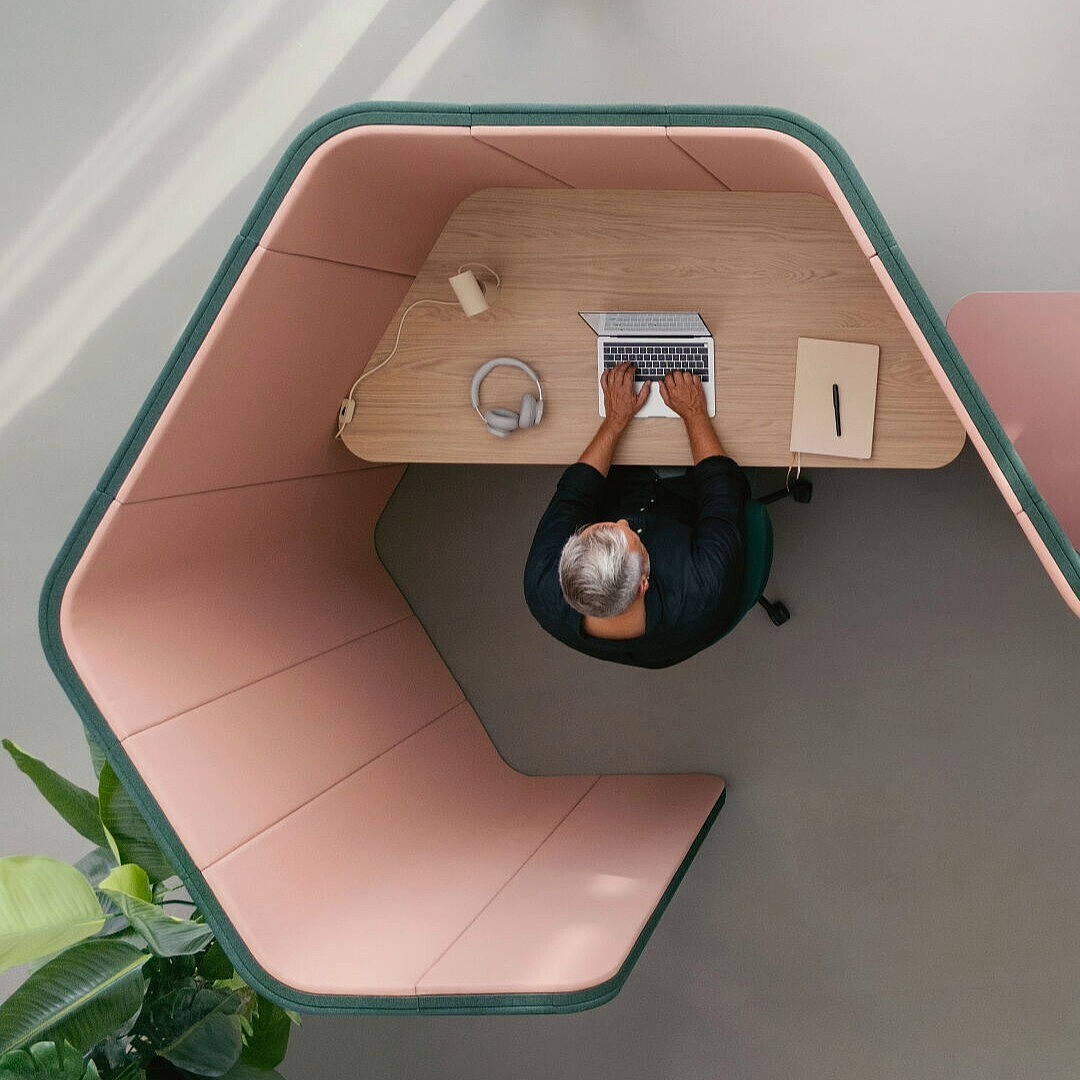
Two people working separately in adjacent hexagonal booth desks with laptops and office supplies
Wellbeing 27/02/2026

Peripersonal space (PPS): The neuro-logic behind good workplace design

Why do we feel immediately focused in some workplaces and constantly distracted in others? Why does an open-plan office sometimes exhaust us more than the actual task at hand? The answer lies not only in noise levels or interruptions. It runs deeper: into the way the brain processes space, stimuli, and safety.
Inclusive Focus Settings in an office
Wellbeing 20/02/2026

Planning for Neurodiversity: Offices for Diverse Sensory Profiles

For decades, workplaces were designed around the idea of an “average” user. In the age of hybrid work, it has become increasingly clear: such an average does not exist. People differ not only in their tasks and working styles, but also in how they perceive, process, and regulate stimuli. This is precisely where the concept of neurodiversity comes into play — and why it has become a central planning consideration for modern offices.

Sedus INSIGHTS N° 20 demonstrates why concentration, well-being, and performance are closely linked to sensory perception — and why work environments must increasingly respond to diverse sensory sensitivities.
Contact
Contact Us!
Showroom
See our visions!